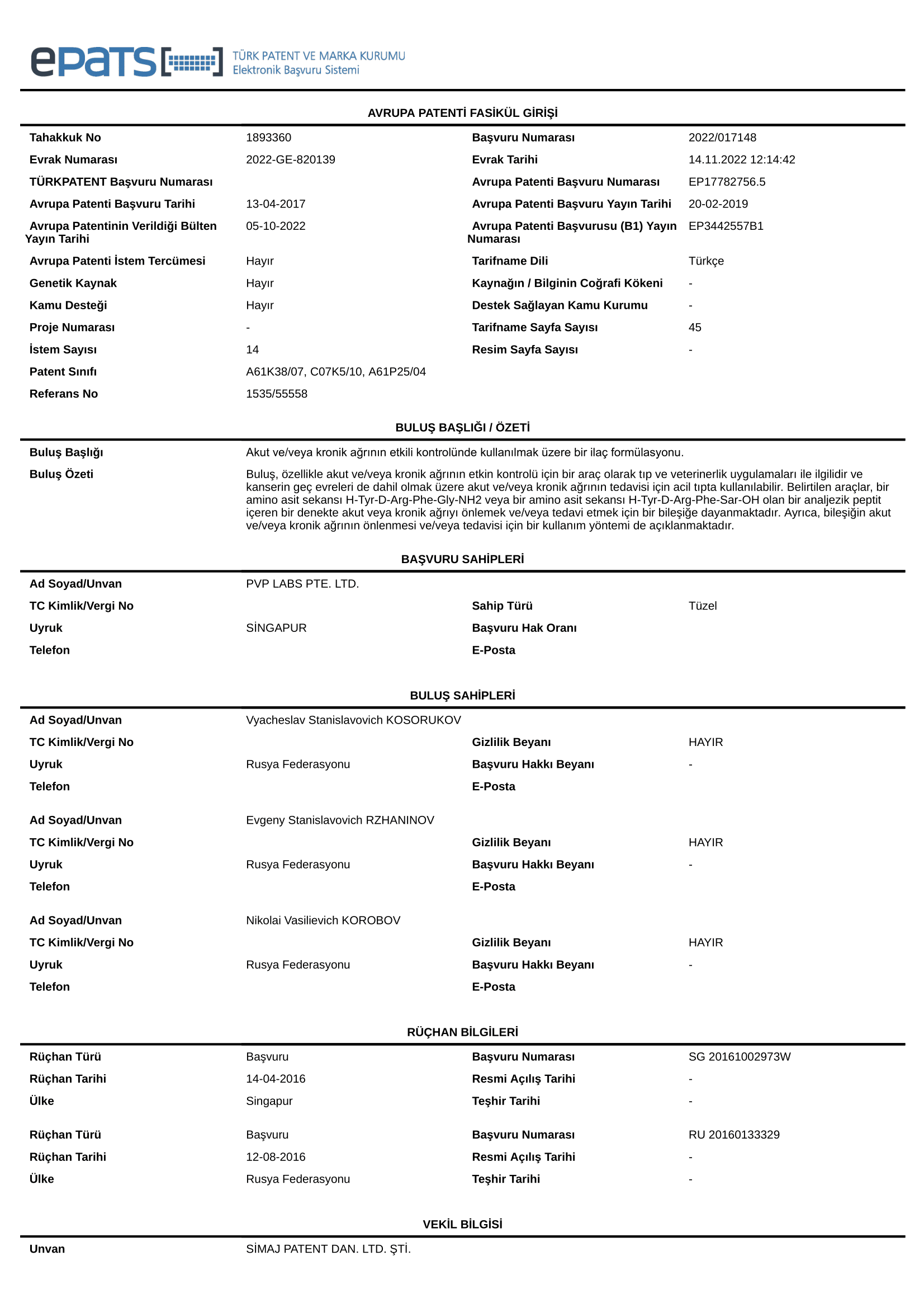

Clinical data
Approval for Phase 2 Clinical Trials
brApproval has been granted for the phase 2 clinical trials of a medicinal product in the form of a 0.2% spray for local application.
The clinical trial will follow protocol, titled «Placebo-controlled double-blind randomized study for determining the optimal dose, evaluating the efficacy and safety of arvidal, 0.2% topical spray, for the treatment of patients with acute respiratory viral infections, including influenza, as part of combination therapy.»
The primary objectives of the trial are to study the efficacy, safety, and optimal dosing of the arvidal spray for treating ARVI. A total of 344 patients will participate in the study, with 327 randomized. The study is structured to rigorously assess the therapeutic potential of the spray in combination with existing treatments for respiratory infections.
Justification for Skipping Phase 1 Clinical Trials arvidal belongs to the category of hybrid medicinal products. In the pharmaceutical market, there are already drugs with the same International Nonproprietary Name (INN) as arvidal, including Dalargin, a lyophilisate for preparing solutions for intravenous and intramuscular administration, first registered in 1987 as a tissue regeneration and repair agent, and Leutragin, a solution for inhalation, registered in 2021 and used for treating COVID-19. Both drugs have been extensively used in post-registration clinical practice: one for ulcer treatment, and the other as part of complex therapy for moderate cases of the new coronavirus infection (COVID-19).
Given the significant body of clinical data and practical experience associated with these drugs, including their safety profiles in relevant indications, the phase 1 trials, which primarily focus on safety, were deemed unnecessary for arvidal.
This extensive post-registration experience with similar drugs provides a robust foundation, allowing the clinical development of arvidal to proceed directly to phase 2, where the focus is on evaluating efficacy and determining optimal dosing of the spray form.
brApproval has been granted for the phase 2 clinical trials of a medicinal product in the form of a 0.2% spray for local application.
The clinical trial will follow protocol, titled «Placebo-controlled double-blind randomized study for determining the optimal dose, evaluating the efficacy and safety of arvidal, 0.2% topical spray, for the treatment of patients with acute respiratory viral infections, including influenza, as part of combination therapy.»
The primary objectives of the trial are to study the efficacy, safety, and optimal dosing of the arvidal spray for treating ARVI. A total of 344 patients will participate in the study, with 327 randomized. The study is structured to rigorously assess the therapeutic potential of the spray in combination with existing treatments for respiratory infections.
Justification for Skipping Phase 1 Clinical Trials arvidal belongs to the category of hybrid medicinal products. In the pharmaceutical market, there are already drugs with the same International Nonproprietary Name (INN) as arvidal, including Dalargin, a lyophilisate for preparing solutions for intravenous and intramuscular administration, first registered in 1987 as a tissue regeneration and repair agent, and Leutragin, a solution for inhalation, registered in 2021 and used for treating COVID-19. Both drugs have been extensively used in post-registration clinical practice: one for ulcer treatment, and the other as part of complex therapy for moderate cases of the new coronavirus infection (COVID-19).
Given the significant body of clinical data and practical experience associated with these drugs, including their safety profiles in relevant indications, the phase 1 trials, which primarily focus on safety, were deemed unnecessary for arvidal.
This extensive post-registration experience with similar drugs provides a robust foundation, allowing the clinical development of arvidal to proceed directly to phase 2, where the focus is on evaluating efficacy and determining optimal dosing of the spray form.